Foot and Ankle Doctor Blog Space

Causes, Symptoms, and Treatment for a Broken Foot

The human foot has 26 different bones, and the foot is divided into three parts: the hindfoot, the midfoot, and the forefoot. Each section of the foot is composed of a different amount of bones. For instance, the forefoot is made up of 19 bones. The midfoot is composed of five smaller bones called the navicular, cuboid, and three cuneiform bones. Lastly, the hindfoot is made up of only the talus and the calcaneus. The feet tend to be vulnerable to slipping and twisting; consequently, fractured bones within the foot are common. When a bone gets crushed, bent, twisted, or stretched it may become broken.

Many foot fractures occur through an accident or trauma. More specifically, common causes for broken feet are car accidents, falls, missteps, or overuse. If you have a broken ankle or foot, you may have one or more of the following symptoms: throbbing pain, swelling, bruising, tenderness, deformities, and difficulty walking.

There are some factors that may put you at a higher risk of developing a broken foot. People who participate in high-impact sports are more likely to develop foot fractures because of the stresses, direct blows, and twisting injuries involved in gameplay. Additionally, those who suddenly increase their activity level are more likely to suffer a stress fracture.

Unfortunately, there are different complications that may arise because of a foot fracture. For instance, arthritis may be caused by fractures that extend into the joints. Bone infections are also possible in open fractures due to the bone being exposed to bacteria. However, there are ways you can help prevent yourself from breaking your foot. One way to avoid fractures is to wear proper footwear. If you plan on going on a run, you should wear running shoes. You should also replace your shoes if you notice that they are becoming worn out. For runners, it is best to replace shoes every 300 to 400 miles.

Treatment for foot fractures usually consists of rest, ice, elevation, and compression (RICE). If you plan on wrapping your foot, try not to wrap it too tightly because doing so may cut off blood supply in the foot. You should also avoid walking on the fractured foot.

If you suspect you have a broken foot, you should see your podiatrist right away. It is important that you have someone bring you to your doctor, since driving with a broken foot can be dangerous. You should especially seek urgent care if you are experiencing numbness, pain, or deformities in your foot.
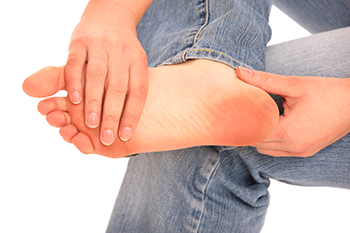
Signs You Could Have a Broken Foot

A broken foot can affect any of the 26 bones that provide support and movement. A fracture is the medical term for a broken bone. These injuries can happen after a fall, a sports accident, or a heavy object landing on the foot. A broken foot can also result from a car accident or a hard twist of the foot and ankle. Symptoms usually begin with sudden pain that becomes worse while walking or standing. Swelling, bruising, and tenderness are also common. Some patients notice a change in the shape of the foot or have trouble putting weight on it. Prompt treatment is important because walking on a broken foot can cause the injury to become more severe.

A podiatrist performs a detailed examination to determine which bone is injured and how serious the fracture is. The evaluation includes checking the foot for swelling, tenderness, and changes in alignment. The podiatrist also asks how the injury occurred and whether the patient can bear weight on the foot. Imaging tests, like X-rays or CT scans, provide detailed pictures of the bones and help identify fractures that cannot be confirmed by an examination alone. A CT scan uses multiple X-ray images to create detailed cross-sectional views of the foot. An accurate diagnosis allows the podiatrist to select the most appropriate treatment and monitor the healing process.

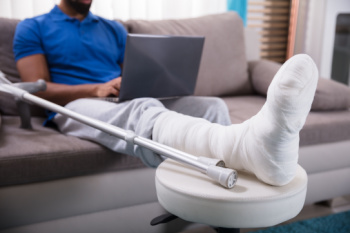
Treatment depends on the location and severity of the fracture. A podiatrist develops a treatment plan that protects the broken bone while helping restore normal foot function. Care includes a cast, a walking boot, or another device that keeps the bones properly aligned while they heal. Follow-up visits allow the podiatrist to monitor healing and determine when it is safe to increase activity. If you have symptoms of a broken foot, it is suggested that you schedule an appointment with a podiatrist for a diagnosis and appropriate treatment.

A broken foot requires immediate medical attention and treatment. If you need your feet checked, contact one of our podiatrists from Foot & Ankle Doctors, Inc. . our doctors can provide the care you need to keep you pain-free and on your feet.

Broken Foot Causes, Symptoms, and Treatment

A broken foot is caused by one of the bones in the foot typically breaking when bended, crushed, or stretched beyond its natural capabilities. Usually the location of the fracture indicates how the break occurred, whether it was through an object, fall, or any other type of injury. 

Common Symptoms of Broken Feet:

  • Bruising
  • Pain
  • Redness
  • Swelling
  • Blue in color
  • Numbness
  • Cold
  • Misshapen
  • Cuts
  • Deformities

Those that suspect they have a broken foot shoot seek urgent medical attention where a medical professional could diagnose the severity.

Treatment for broken bones varies depending on the cause, severity and location. Some will require the use of splints, casts or crutches while others could even involve surgery to repair the broken bones. Personal care includes the use of ice and keeping the foot stabilized and elevated.

If you have any questions, please feel free to contact our offices located in Beverly Hills, Encino, Los Angeles, Los Alamitos, Pasadena, and Rolling Hills Estates CA . We offer the newest diagnostic and treatment technologies for all your foot care needs.

Read more about Causes, Symptoms, and Treatment for a Broken Foot

Foot Pain

Our feet are arguably the most important parts of our bodies because they are responsible for getting us from place to place.  However, we often don’t think about our feet until they begin to hurt. If you have pain in your feet, you need to first determine where on the foot you are experiencing it to get to the root of the problem. The most common areas to feel pain on the foot are the heel and the ankle.

Heel pain is most commonly attributed to a condition called plantar fasciitis. Plantar fasciitis occurs when the plantar fascia, which is the band of tough tissue connecting the heel bone to the toes becomes inflamed. Plantar fasciitis pain is usually worse in the morning, and it tends to go away throughout the day. If you have plantar fasciitis, you should rest your foot and do heel and foot muscles stretches. Wearing shoes with proper arch support and a cushioned sole has also been proven to be beneficial.

Some common symptoms of foot pain are redness, swelling, and stiffness. Foot pain can be dull or sharp depending on its underlying cause. Toe pain can also occur, and it is usually caused by gout, bunions, hammertoes, ingrown toenails, sprains, fractures, and corns.

If you have severe pain in your feet, you should immediately seek assistance from your podiatrist for treatment. Depending on the cause of your pain, your podiatrist may give you a variety of treatment options.

Common Causes of Foot Pain and How They Affect Daily Movement

Foot pain is a broad term that describes discomfort in any part of the foot, including the heel, arch, toes, or outer edge. It can result from structural issues, nerve compression, or joint degeneration. Conditions such as tarsal tunnel syndrome, arthritis, and cuboid syndrome are common contributors to persistent pain. Foot pain can also develop from lifestyle habits, including wearing high-heeled shoes that place excess pressure on the forefoot and alter natural foot alignment.

Symptoms of foot pain vary depending on the underlying condition. Tarsal tunnel syndrome often presents as burning, tingling, or numbness along the inner ankle and sole due to nerve compression. Arthritis may cause stiffness, swelling, and reduced joint mobility, especially in the morning. Cuboid syndrome is associated with pain along the outer side of the foot, often described as a sharp or aching sensation during weight bearing. Arch-related discomfort from high heels can lead to fatigue, instability, and strain across the midfoot.


Several risk factors increase the likelihood of developing foot pain. Prolonged standing, high-impact activities, and poor footwear choices can all place excessive stress on foot structures. Individuals with flat feet or high arches may experience uneven weight distribution, which contributes to strain and injury. Wearing high-heeled shoes regularly can shorten the Achilles tendon and increase pressure on the forefoot, leading to long term biomechanical issues. Age, weight, and previous injuries also play important roles.


The causes of foot pain are often linked to repetitive stress, improper alignment, and underlying medical conditions. Early recognition and proper care are essential for maintaining mobility and preventing progression. Wearing supportive footwear, stretching, and professional evaluation can help address the root cause. If you experience any type of foot pain, it is suggested that you consult a podiatrist for an accurate diagnosis and appropriate relief and  treatment solutions.

Foot Pain

Foot pain can be extremely painful and debilitating. If you have a foot pain, consult with one of our podiatrists  from Foot & Ankle Doctors, Inc. . our doctors will assess your condition and provide you with quality foot and ankle treatment.

Causes

Foot pain is a very broad condition that could be caused by one or more ailments. The most common include:

  • Bunions
  • Hammertoes
  • Plantar Fasciitis
  • Bone Spurs
  • Corns
  • Tarsal Tunnel Syndrome
  • Ingrown Toenails
  • Arthritis (such as Gout, Rheumatoid, and Osteoarthritis)
  • Flat Feet
  • Injury (from stress fractures, broken toe, foot, ankle, Achilles tendon ruptures, and sprains)
  • And more

Diagnosis

To figure out the cause of foot pain, podiatrists utilize several different methods. This can range from simple visual inspections and sensation tests to X-rays and MRI scans. Prior medical history, family medical history, and any recent physical traumatic events will all be taken into consideration for a proper diagnosis.

Treatment

Treatment depends upon the cause of the foot pain. Whether it is resting, staying off the foot, or having surgery; podiatrists have a number of treatment options available for foot pain.

If you have any questions, please feel free to contact our offices located in Beverly Hills, Encino, Los Angeles, Los Alamitos, Pasadena, and Rolling Hills Estates CA . We offer the newest diagnostic and treatment technologies for all your foot care needs.

Read more about Foot Pain

Everything You Need to Know About Gout

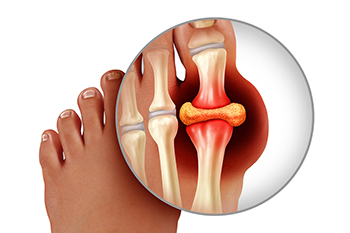
Gout, typically found in diabetic patients, is an unusually painful form of arthritis caused by elevated levels of uric acid in the bloodstream. The condition typically strikes the big joint on the big toe. It has also been known to strike the knees, elbows, fingers, ankles and wrists—generally anywhere that has a functioning, moving joint.

The high level of uric acid in a person’s bloodstream creates the condition known as hyperuricema—the main cause of gout. Genetic predisposition occurs in nine out of ten sufferers. The children of parents who suffer gout will have a two in ten chance of developing the condition as well. 

This form of arthritis, being particularly painful, is the leftover uric acid crystallizing in the blood stream. The crystallized uric acid then travels to the space between joints where they rub, causing friction when the patient moves. Symptoms include: pain, redness, swelling, and inflammation. Additional side effects may include fatigue and fever, although reports of these effects are very rare. Some patients have reported that pain may intensify when the temperature drops, such as when you sleep.

Most cases of gout are easily diagnosed by a podiatrist’s assessment of the various symptoms. Defined tests can also be performed. A blood test to detect elevated levels of uric acid is often used as well as an x-ray to diagnose visible and chronic gout.

Treatment for gout simply means eliminating symptoms. Non-steroid anti-inflammatory drugs or NSAIDs (Colchicine and other corticosteroid drugs, etc.) will quell the redness, the swelling, and the inflammation. However, managing your diet, lifestyle changes, and using preventative drugs are all helpful toward fully combating the most severe cases.

 Those that lead an inactive lifestyle are at a higher risk for gout. Any amount of exercise decreases the probability of repeat encounters with the condition. Reducing your consumption of red meat, sea food, and fructose-sweetened drinks also reduces the likelihood of chronic gout as well.

Ingesting Vitamin C, coffee, and particular dairy products can help with maintaining a healthy lifestyle. There are new drugs out on the market that inhibit the body’s production of uric acid-producing enzymes. However, reducing or eliminating your overall levels of uric acid is the best remedy to ensuring you lead a gout-free life.

Gout and the Big Toe

Gout is a form of inflammatory arthritis that frequently affects the foot, most commonly the big toe joint. It may also involve the midfoot, ankle, or other joints. Gout develops when uric acid accumulates in the bloodstream and forms sharp crystals within a joint. These crystals irritate surrounding tissues and trigger sudden, intense inflammation. Symptoms often begin quickly, sometimes during the night, and include severe pain, redness, warmth, and noticeable swelling. The affected joint may become extremely tender, and even light pressure from bedding or footwear can cause significant discomfort. Many people describe the pain as sharp, throbbing, and difficult to ignore.

Gout occurs when the body either produces too much uric acid or is unable to eliminate it effectively through the kidneys. Diet can contribute to this imbalance, particularly with foods high in purines like red meat, shellfish, and organ meats. In contrast, a balanced diet that includes low-fat dairy products, fresh fruits, vegetables, and whole grains may help support overall health. Additional risk factors include family history, obesity, dehydration, and certain medications. Underlying conditions like kidney disease or metabolic disorders may also be factors. Without appropriate care, gout attacks may become more frequent, last longer, and begin to affect multiple joints. This can potentially lead to long-term joint damage.

A podiatrist plays an important role in diagnosing and managing gout. Through an exam, imaging, and laboratory testing, they can confirm the condition and rule out other causes of joint pain. Treatment may include medications to reduce inflammation, relieve pain, and help regulate uric acid levels. A podiatrist can also provide ongoing monitoring of joints and further guidance to prevent future flare-ups and protect mobility. If you are experiencing symptoms of gout, it is strongly suggested that you consult a podiatrist for a proper evaluation and personalized care.

Gout is a foot condition that requires certain treatment and care. If you are seeking treatment, contact one of our podiatrists from Foot & Ankle Doctors, Inc. . our doctors will treat your foot and ankle needs.

What Is Gout?

Gout is a type of arthritis caused by a buildup of uric acid in the bloodstream. It often develops in the foot, especially the big toe area, although it can manifest in other parts of the body as well. Gout can make walking and standing very painful and is especially common in diabetics and the obese.

People typically get gout because of a poor diet. Genetic predisposition is also a factor. The children of parents who have had gout frequently have a chance of developing it themselves.

Gout can easily be identified by redness and inflammation of the big toe and the surrounding areas of the foot. Other symptoms include extreme fatigue, joint pain, and running high fevers. Sometimes corticosteroid drugs can be prescribed to treat gout, but the best way to combat this disease is to get more exercise and eat a better diet.

If you have any questions, please feel free to contact our offices located in Beverly Hills, Encino, Los Angeles, Los Alamitos, Pasadena, and Rolling Hills Estates CA . We offer the newest diagnostic and treatment technologies for all your foot care needs.

Read more about Everything You Need to Know About Gout

Falls Prevention

Elderly Americans are very susceptible to falls as they get older. Everyone experiences decreases in flexibility, balance, strength, and the senses as they age. This correlates to some eye-opening statistics. 1 in 4 Americans aged 65 and older fall each year. An elderly American is being treated for a fall in an emergency room every 11 seconds. In light of these striking statistics, one can see the importance of taking steps to prevent falls.

Finding an exercise program for the elderly is an excellent way to reduce the likelihood of falls. Look for an exercise program that improves strength and balance. Elderly people who live a more sedentary lifestyle, with little physical activity, are at an increased risk of falling. Wearing well-fitted footwear that provides good foot support and cushion will help prevent falls from poorly fitted shoes. Talking to a podiatrist about your susceptibility to falls and about inspecting your prescriptions will help to avoid any medication that could make falls more likely. Due to a decline in the senses among the elderly, having your eyes and hearing checked is recommended.

Around half of all falls occur in the household. Removing tripping hazards in the home and making it more accommodating to older persons can significantly reduce falls. Some notable household changes include increasing lighting around the house, installing grab bars in the shower and bathroom, and making sure the floor is clear of clutter. Other smart options include installing a shower chair, using rubber-bottomed rugs, and placing railings on both sides of stairwells.  

Finally, discuss with a doctor and your family about your fear of falling. This will help to increase awareness among the population on the need for fall prevention. A lack of awareness on the matter, and a downplaying of importance are what increase the risks of falling. Following these tips can help to reduce the risk for yourself and your loved ones.

Proper Cane Use Can Prevent Falling

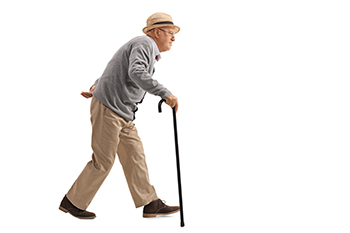
Proper cane use can help prevent falls by improving balance and reducing strain on the feet and ankles. Using a cane the right way gives the body extra support while walking. The cane should be held on the side opposite the weaker or injured leg. This allows the stronger side to carry more weight and keeps each step steady. The cane and the weaker leg should move forward at the same time. On stairs, the stronger leg leads when going up, and the weaker leg leads when going down. Poor technique can increase the risk of falls and joint strain. A podiatrist can evaluate walking patterns, check foot alignment, and ensure the cane is the correct height. Treatment includes gait training, supportive devices, and custom orthotics to improve stability. If you need an assistive device to help you walk, it is suggested that you schedule an appointment with a podiatrist for expert guidance.

Preventing falls among the elderly is very important. If you are older and have fallen or fear that you are prone to falling, consult with one of our podiatrists from Foot & Ankle Doctors, Inc. . our doctors will assess your condition and provide you with quality advice and care.

Every 11 seconds, an elderly American is being treated in an emergency room for a fall related injury. Falls are the leading cause of head and hip injuries for those 65 and older. Due to decreases in strength, balance, senses, and lack of awareness, elderly persons are very susceptible to falling. Thankfully, there are a number of things older persons can do to prevent falls.

How to Prevent Falls

Some effective methods that older persons can do to prevent falls include:

  • Enrolling in strength and balance exercise program to increase balance and strength
  • Periodically having your sight and hearing checked
  • Discuss any medications you have with a doctor to see if it increases the risk of falling
  • Clearing the house of falling hazards and installing devices like grab bars and railings
  • Utilizing a walker or cane
  • Wearing shoes that provide good support and cushioning
  • Talking to family members about falling and increasing awareness

Falling can be a traumatic and embarrassing experience for elderly persons; this can make them less willing to leave the house, and less willing to talk to someone about their fears of falling. Doing such things, however, will increase the likelihood of tripping or losing one’s balance. Knowing the causes of falling and how to prevent them is the best way to mitigate the risk of serious injury.  

If you have any questions, please feel free to contact our offices located in Beverly Hills, Encino, Los Angeles, Los Alamitos, Pasadena, and Rolling Hills Estates CA . We offer the newest diagnostic and treatment technologies for all your foot care needs.

Read more about Falls Prevention

Flat Feet

Flatfoot is a foot condition in which the arch of the foot has either partially or totally dropped or has never developed. While it is common in babies and small children, it can become a problem for them in adulthood if the arch never forms. For adults, the development of flat feet can be brought upon by injury, as a result of pregnancy due to increased elasticity, or obesity. Those who have health concerns such as rheumatoid arthritis or diabetes may also be at greater risk for developing the condition.

If you suspect that you have flat feet, it is best to consult your podiatrist. Your foot doctor will examine the suspected foot and observe how it looks while you sit and stand. He or she may take an X-ray to determine how serious the condition is. Some common signs of flatfoot include toe drift, in which the toes and front part of the foot point outward, a short Achilles tendon, and a heel that tilts outwardly while the ankle tilts inward.

Once flatfoot has been diagnosed, your podiatrist may suggest one of several treatment options. Flat feet can be rigid, in which the feet appear to have no arch even when the person is not standing; or flexible, in which the person appears to have an arch while not standing, but once standing the arch disappears. Those with flexible flatfoot may be told to reduce any activities that cause pain and to avoid extended periods of walking or standing. Another suggestion may be weight loss, as excessive weight may be placing pressure on the arches

In few cases, if the condition is severe and all other methods have been exhausted surgery may be required. This is normally avoided, however, due to a lengthy recovery time and high cost.

Types of Flat Feet

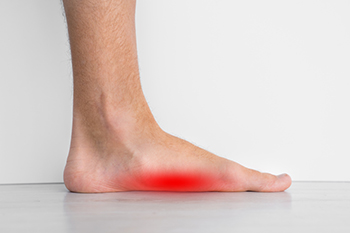
Flat feet, also known as pes planus, fallen arches, or posterior tibial tendon dysfunction, occur when the arch of the foot is low or absent. There are different types of flat feet. Flexible flat foot is where the arch appears when not bearing weight but flattens when standing. Rigid flat foot is where the arch remains flattened at all times. Symptoms include pain along the inside of the arch, heel, or ankle, along with fatigue during activity. Causes and risk factors include genetics, tendon weakness, injury, and aging. Without proper support, discomfort can increase. A podiatrist can evaluate foot structure, recommend supportive footwear or orthotics, and provide treatment to improve comfort and function. If you have flat feet, it is suggested that you consult a podiatrist who can offer effective relief and management tips.

Flatfoot is a condition many people suffer from. If you have flat feet, contact one of our podiatrists from Foot & Ankle Doctors, Inc. . our doctors will treat your foot and ankle needs.

What Are Flat Feet?

Flatfoot is a condition in which the arch of the foot is depressed and the sole of the foot is almost completely in contact with the ground. About 20-30% of the population generally has flat feet because their arches never formed during growth.

Conditions & Problems:

Having flat feet makes it difficult to run or walk because of the stress placed on the ankles.

Alignment – The general alignment of your legs can be disrupted, because the ankles move inward which can cause major discomfort.

Knees – If you have complications with your knees, flat feet can be a contributor to arthritis in that area.  

Symptoms

  • Pain around the heel or arch area
  • Trouble standing on the tip toe
  • Swelling around the inside of the ankle
  • Flat look to one or both feet
  • Having your shoes feel uneven when worn

Treatment

If you are experiencing pain and stress on the foot you may weaken the posterior tibial tendon, which runs around the inside of the ankle. 

If you have any questions, please feel free to contact our offices located in Beverly Hills, Encino, Los Angeles, Los Alamitos, Pasadena, and Rolling Hills Estates CA . We offer the newest diagnostic and treatment technologies for all your foot care needs.

Read more about Flat Feet

Make an Appointment Same Day Appointments Available

BOOK NOW
Make an Appointment

    Fields marked with * are required.